
Kia ora! If you’re a small business owner in Aotearoa (New Zealand), you’ll know that having a strong online presence is no longer a luxury – it’s a necessity. But venturing into the world of web design can feel like navigating a complex maze. That’s why we’ve compiled this comprehensive guide to answer your most pressing web design frequently asked questions, empowering you to make informed decisions and ultimately, drive more business.
This isn’t just about pretty pictures; it’s about building a digital storefront that converts visitors into loyal customers. Let’s dive in!
Understanding the Fundamentals: Web Design Basics Explained
Before we address the nitty-gritty, let’s establish some foundational knowledge.
- What exactly is web design? Web design encompasses the planning, creation, and updating of websites. It involves aspects like information architecture, user interface, site structure, navigation, layout, colours, fonts, and imagery. Essentially, it’s about crafting a website that’s both visually appealing and functionally effective.
- What’s the difference between web design and web development? Web design focuses on the visual and user experience aspects, while web development deals with the technical aspects of building and maintaining a website. Think of design as the blueprint and development as the construction.
- Why is a professional website important for my business?
- Enhanced Credibility: A well-designed website establishes your business as professional and trustworthy.
- Increased Visibility: A strong online presence makes it easier for potential customers to find you.
- Improved Customer Experience: A user-friendly website enhances customer satisfaction.
- 24/7 Availability: Your website acts as a constant marketing tool, accessible to customers anytime, anywhere.
- Competitive Advantage: A compelling website sets you apart from your competitors.
Demystifying the Process: Web Design Questions and Answers
Now, let’s tackle those burning questions that often arise when considering web design.
- How much does a website cost? This is a common web design cost query. Costs vary significantly depending on the complexity of the project, the design agency’s rates, and the features required. A basic website might cost a few thousand dollars, while a complex e-commerce platform could cost tens of thousands.
- How long does it take to build a website? The timeline depends on the project’s scope. A simple website might take a few weeks, while a more intricate project could take several months. Clear communication and efficient project management are crucial.
- What platform should I use for my website? Popular options include WordPress, Wix, Squarespace, and Shopify. Each platform has its strengths and weaknesses, depending on your needs and technical expertise. WordPress offers flexibility and scalability, while Wix and Squarespace are user-friendly for beginners. Shopify is ideal for e-commerce businesses.
- Do I need a mobile-responsive website? Absolutely! Mobile responsiveness is critical in today’s mobile-first world. Google prioritises mobile-friendly websites in its search rankings. A responsive design adapts seamlessly to different screen sizes, ensuring a consistent user experience across devices.
What is SEO, and why is it important for my website?
- SEO (Search Engine Optimisation) is the process of optimising your website to rank higher in search engine results pages (SERPs).
Benefits of SEO for Small Business Owners:
- Increased Organic Traffic: Attract more potential customers to your website.
- Improved Brand Visibility: Enhance your online presence and brand recognition.
- Higher Conversion Rates: Drive more qualified leads and sales.
- Cost-Effective Marketing: SEO offers a long-term, sustainable marketing strategy.
- Targeted Audience Reach: Connect with customers actively searching for your products or services.
What are the key elements of effective web design?
- Clear Navigation: Ensure visitors can easily find what they’re looking for.
- Compelling Visuals: Use high-quality images and videos to capture attention.
- Engaging Content: Create informative and relevant content that resonates with your audience.
- Strong Call-to-Actions (CTAs): Encourage visitors to take desired actions, such as making a purchase or contacting you.
- Fast Loading Speed: Optimise your website for quick loading times to prevent visitors from leaving.
- Consistent Branding: Maintain a consistent brand identity across your website.
How do I choose the right web design agency?
- Review Their Portfolio: Look for examples of their work that align with your style and needs.
- Read Client Testimonials: Gain insights into their experience and reputation.
- Assess Their Communication and Project Management: Ensure they are responsive and organised.
- Consider Their Expertise and Experience: Choose an agency with a proven track record in your industry.
- Discuss Their SEO Capabilities: Ensure they understand the importance of SEO and can integrate it into your website.
What are the recent trends in web design?
- AI-Powered Personalisation: Websites are increasingly using AI to deliver personalised experiences based on user behaviour. For example, AI-driven chatbots can provide instant customer support and recommendations.
- Accessibility Focus: There is an increased focus on web accessibility, ensuring websites are usable by people with disabilities. Recent updates to WCAG guidelines are pushing web developers to consider all users.
How do I maintain my website after it’s launched?
- Regular Updates: Keep your website content and software up-to-date.
- Security Monitoring: Protect your website from cyber threats.
- Performance Optimisation: Monitor and improve your website’s speed and performance.
- Content Marketing: Create fresh, engaging content to attract and retain visitors.
- Analytics Tracking: Monitor your website’s traffic and performance using tools like Google Analytics.
Igniting Excitement and Driving Action: Transforming Your Digital Presence
Imagine your website as a powerful sales tool, working tirelessly to attract and convert customers. A well-designed website can:
- Showcase Your Unique Brand Story: Tell your brand’s story and connect with your audience on an emotional level.
- Generate High-Quality Leads: Capture valuable leads through strategic CTAs and forms.
- Boost Your Online Sales: Create a seamless e-commerce experience that drives conversions.
- Build Customer Loyalty: Foster strong relationships with your customers through exceptional online experiences.
- Establish Your Authority: Position your business as a leader in your industry.
By investing in professional web design, you’re investing in the future of your business. You’re creating a digital asset that will generate returns for years to come.
Actionable Steps: Taking Your Web Design Journey Forward
Ready to take the next step? Here’s a practical plan to guide you:
- Define Your Goals: Clearly outline your website’s objectives and target audience.
- Conduct Thorough Research: Explore different web design agencies and platforms.
- Create a Detailed Brief: Outline your requirements and expectations.
- Prioritise SEO: Ensure your website is optimised for search engines from the outset.
- Focus on User Experience: Design a website that’s easy to navigate and visually appealing.
- Invest in Quality Content: Create engaging and informative content that resonates with your audience.
- Monitor and Analyse: Track your website’s performance and make adjustments as needed.
- Stay Updated: Keep abreast of the latest web design trends and technologies.
- Contact a Professional: If you’re overwhelmed, don’t hesitate to seek expert assistance.
By following these steps, you can create a website that not only looks great but also drives tangible results for your business.
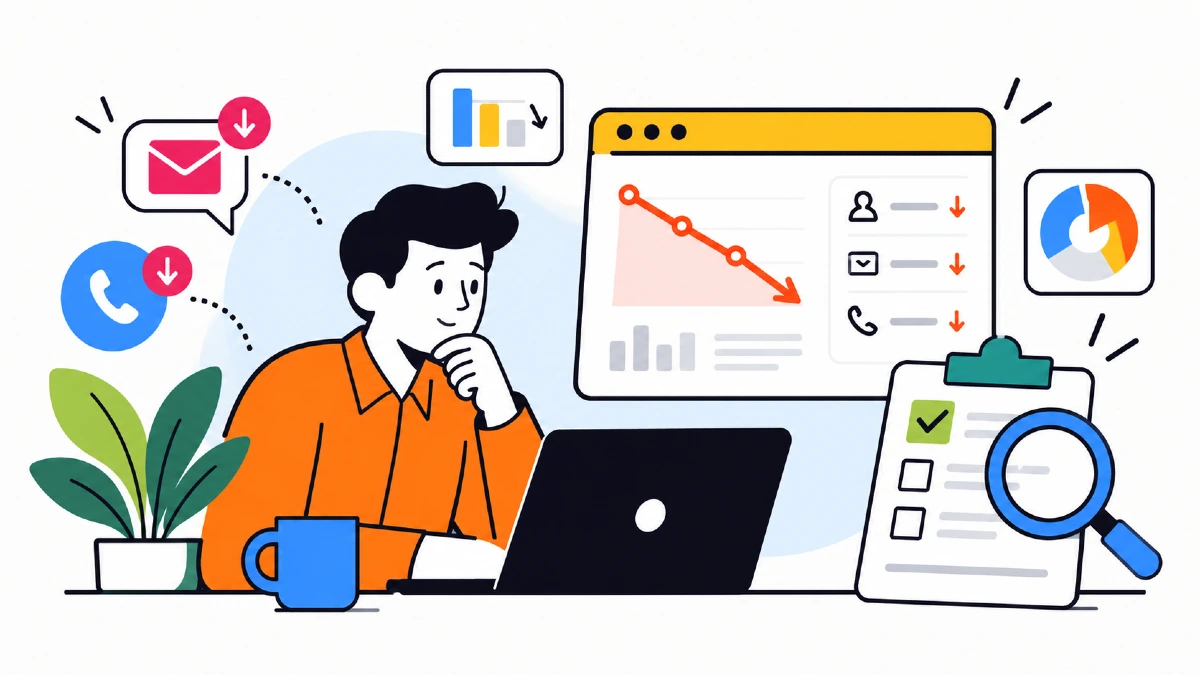
Business Enquiries Slowing Down in NZ?
Fewer enquiries coming into your business? Learn how to distinguish changing market demand from lost search visibility and website conversion