
Search Engine Optimisation (SEO) is the practice of improving a website’s visibility in search engine results, such as Google, for relevant searches. By optimizing your site’s content, structure, and technical aspects, you increase the chances of appearing higher in search results when users look for topics related to your business.
For example, a website focused on “growing tomatoes in containers” can optimise its content and structure to rank among the top search results for that term. Higher rankings lead to more visibility, increased website traffic, and potential customers.
Why Is SEO Important?
SEO is essential because it generates free, organic traffic from search engines, unlike paid ads that require ongoing investment. Most online experiences start with a search engine, so appearing in relevant search results puts your business in front of potential customers who are actively searching for what you offer.
Key benefits of SEO:
- Long-term traffic – Once your site ranks well, it can attract visitors consistently without additional costs.
- Higher credibility – Users trust organic search results more than paid advertisements.
- Better user experience – SEO encourages creating high-quality, easy-to-navigate websites that benefit users.
Unlike social media posts, which lose traction over time, or paid ads that stop when the budget runs out, SEO provides sustainable, long-term benefits.
How to Ensure Google Indexes Your Website
Before your site can appear in search results, Google must first crawl and index your pages. Crawling refers to Google’s automated process of discovering pages, while indexing means storing those pages in Google’s database.
Steps to Help Google Index Your Site:
- Use Google Search Console (GSC) – This free tool shows how Google views your site, flags indexing issues, and provides insights into search performance.
- Submit an XML Sitemap – A sitemap is a structured list of all your important pages. Most website platforms (like WordPress or Wix) generate these automatically, but tools like XML Sitemaps Generator can also help.
- Check for Indexing Issues – If some pages aren’t indexed, troubleshoot using GSC. Issues can arise from poor website structure, missing internal links, or technical errors.
To check indexing status, submit your sitemap in GSC by navigating to “Sitemaps” and entering the sitemap URL. A successful submission ensures Google can properly access and display your content.
SEO Basics: How to Optimise Your Website for Search Engines
1. Keyword Research
Keyword research helps identify the words and phrases people use to search for topics related to your business. By targeting the right keywords, you can create content that matches user intent.
How to Conduct Keyword Research:
- Use tools like Google Keyword Planner, Keyword Magic Tool, or Ahrefs to find relevant keywords.
- Prioritise relevance, search volume, and competition when selecting keywords.
- Consider user intent:
- Informational (e.g., “how to grow tomatoes i a container” – the user wants knowledge)
- Commercial (e.g., “best ice cream maker for home” – the user is comparing options)
- Navigational (e.g., “Converse official site” – the user wants a specific brand)
- Transactional (e.g., “buy Apple Smartwatch online” – the user is ready to make a purchase)
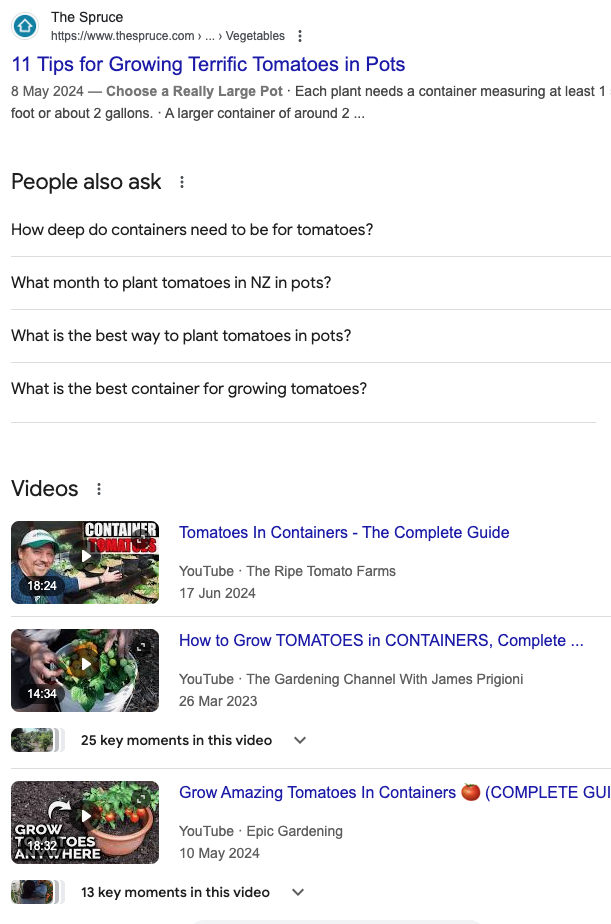
Targeting highly relevant, low-competition keywords is a great way to gain initial traction before moving on to more competitive terms. Understand user intent and provide content in the format the user wants. For example, “growing tomatoes in a container” will be more useful in video format to learn how-to- grow.
2. Creating High-Quality Content
Content is one of the most important factors in SEO. Google ranks pages that provide valuable, relevant, and engaging information. Write useful deep dives, infographics, comparisons, short videos or long form videos to explain complex subjects.
Best Practices for SEO-Friendly Content:
- Cover the topic in-depth and address common user questions.
- Structure content with clear headings (H1, H2, H3, etc.).
- Use short paragraphs, bullet points, and visuals to enhance readability.
- Include internal links to other relevant pages on your site.
- Keep content up to date with accurate, reliable information.
A well-structured, informative article that aligns with search intent has a higher chance of ranking well in search results.
3. On-Page SEO Optimization
On-page SEO involves optimizing individual web pages for better search visibility.
Key On-Page SEO Elements:
- Title Tags – The clickable title in search results (should be under 60 characters and include your keyword).
- Meta Descriptions – A short summary below the title in search results (keep it under 105 characters and include a call-to-action).
- Heading Structure (H1-H6) – Organize content using subheadings to improve readability and search ranking.
- SEO-Friendly URLs – Keep URLs short, descriptive, and include relevant keywords (e.g., yourwebsite.com/best-ice -cream-makers instead of yourwebsite.com/page123).
- Image Optimization – Use descriptive file names and alt text ( alternative text for search engines to read) to help search engines understand your images.
- Internal Linking – Link related content within your website to help users and search engines navigate.
These optimisations make your content more discoverable and user-friendly.
User Experience (UX) & SEO
Google prioritizes sites that provide a great user experience. If visitors find your site easy to navigate and valuable, they stay longer—reducing bounce rates and improving rankings.
Tips for Enhancing UX:
- Use Clear CTAs (e.g., instead of “Click Here,” say “Download Your Web Audit Report”).
- Break up content with short paragraphs, bullet points, and headings.
- Optimise for Mobile – Ensure your website loads quickly and displays well on mobile devices.
A user-friendly website leads to higher engagement, better rankings, and improved conversions.
4. Link Building: How to Boost Your Website’s Authority
Backlinks (links from other websites to yours) are a major ranking factor. The more high-quality backlinks you earn, the more authority your website gains.
Effective Link-Building Strategies:
- Partner with businesses & associations – Ask industry partners, suppliers, or business directories to link to your site.
- Submit your site to reputable directories – Industry-specific directories can provide both traffic and authority.
- Create content that attracts backlinks – Infographics, original research, and in-depth guides are highly shareable.
Backlinks from high-authority, relevant websites signal trust to search engines and can significantly improve rankings.
Final Thoughts on SEO
SEO is an essential long-term strategy for increasing website traffic, visibility, and credibility. By focusing on keyword research, quality content, on-page optimizations, and link building, you can improve search rankings and attract consistent organic traffic.
Unlike paid ads, SEO continues to work over time, offering sustainable growth and a competitive edge in your industry.
Start by optimising your site’s technical structure, creating valuable content, and earning reputable backlinks to build authority—and watch your rankings improve.
Increase Traffic to Your Website with a Blog
A Blog is one of the best ways to drive traffic to a website; whether it be a corporate website,

Gateway to Affordable Web Design for Small Business
Introduction: In today’s digital age, a strong online presence is no longer a luxury, but a necessity for small businesses